Sparkling wine is the one shelf in the supermarket where a bottle costing the price of a decent lunch and one costing the price of a decent dinner can both be the right answer. Prosecco, Cava and Champagne are the three names most of us reach for, and they are not interchangeable. Different places, different methods, different behaviour in the glass and at the table. Here is what actually separates them — and how to spend your money well.
Three names, three places
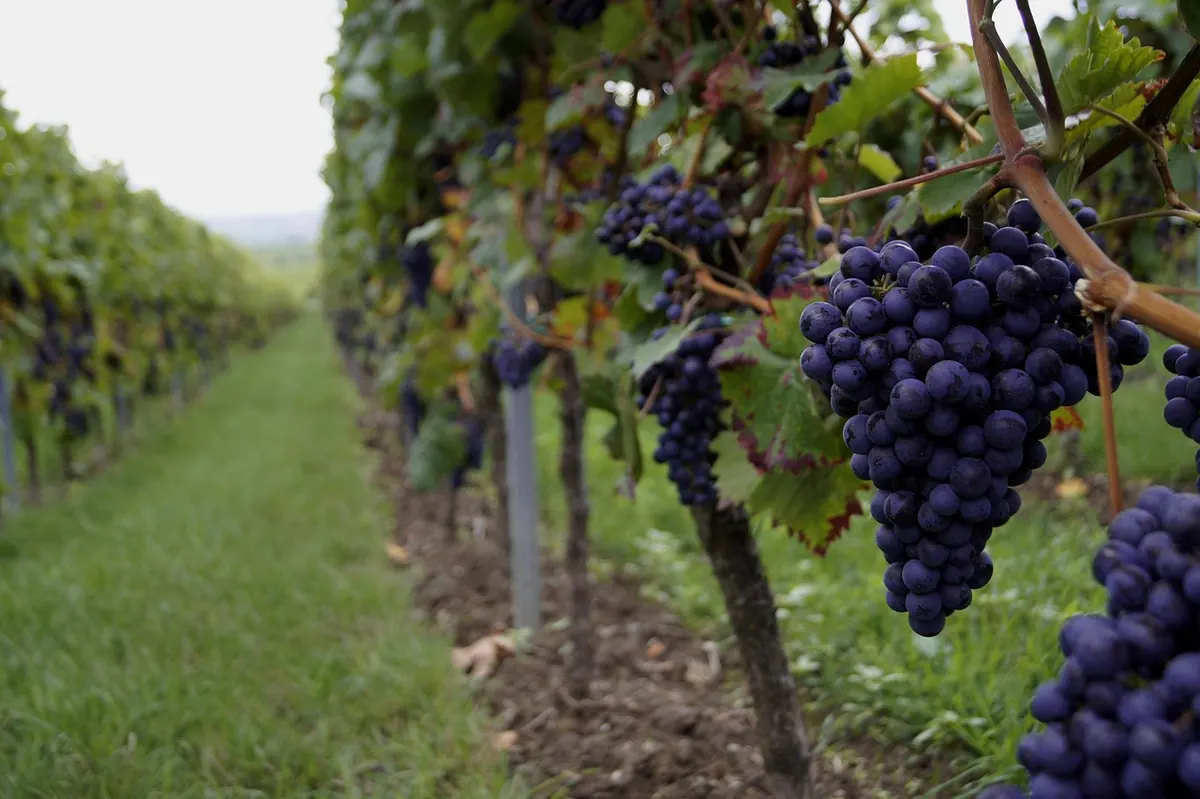
Champagne is a place before it is a wine. It comes from the Champagne region of northern France, where chalk soils and a cool, marginal climate give grapes high in acidity and low in sugar — exactly what a sparkling wine wants. Chardonnay, Pinot Noir and Meunier do most of the work. Anything fizzy made elsewhere, however good, is not Champagne.
Cava is Spain's answer, made mostly in Catalonia though the denomination covers other regions too. The traditional trio is Macabeo, Xarel·lo and Parellada, with Chardonnay and Pinot Noir permitted in many styles. There is also Cava Rosado, usually from Garnacha or Pinot Noir.
Prosecco is the odd one out, because the word refers to the grape, the place and the wine at once. It comes from the Veneto and Friuli in north-east Italy and is made mainly from Glera. The best bottles carry the DOCG names Conegliano Valdobbiadene or Asolo; the far larger DOC covers a very wide range of quality.
How they are made — and why it changes everything
Traditional method: Champagne and Cava
Both get their bubbles from a second fermentation inside the bottle. Base wine is blended, bottled with a little sugar and yeast, and fermented again. The yeast dies, and the wine rests on those dead yeast cells — the lees — for months or years. That contact is where the bready, biscuity, toasted-nut flavours come from, and it is the main reason these wines cost more than Prosecco.
The rules differ. Non-vintage Champagne must spend at least twelve months on the lees and fifteen months in total before release; vintage Champagne, three years. Cava starts at nine months, with Reserva at eighteen and Gran Reserva at thirty. The bottle is then riddled to shift the yeast into the neck, disgorged, and topped up with a dosage that sets the sweetness.
Tank method: Prosecco
Prosecco's second fermentation happens in a large pressurised tank. The wine is filtered and bottled under pressure almost immediately, so it never spends meaningful time on the lees. Cheaper to make, ready sooner, fruitier — but without the savoury depth of the traditional method, and without any benefit from cellaring. It is bottled at lower pressure too, which is why the bubbles feel softer and fade faster.
What they actually taste like
Prosecco is the fruit bowl: green apple, pear, white peach, acacia blossom. It is uncomplicated by design, and that is not an insult — it is refreshing and easy to like, especially in the styles with a little sweetness left in.
Cava tastes drier and more savoury than most people expect. Look for lemon, green apple, green almond, bread dough and a slightly bitter, mineral finish. It has more acidity than Prosecco and holds up remarkably well with food.
Champagne sits at the top for complexity: high acidity, fine persistent bubbles, and lees ageing bringing brioche, toasted nuts, cream and a long dry finish. It also changes in the glass — give it five minutes and tight, appley youth softens into something rounder.
Watch the sweetness words, because the labels are famously unhelpful. Brut is dry; Extra Dry is sweeter than Brut; Demi-Sec is properly sweet. Prosecco's "Dry" is often noticeably off-dry. For the driest styles, look for Brut Nature or Extra Brut.
What you are paying for
Prosecco is the cheapest of the three almost everywhere in the UK. Cava sits politely in the middle: a good Reserva or Gran Reserva is often the best-value bottle on the shelf, because long lees ageing gives you something close to Champagne texture for a fraction of the money. Champagne is the most expensive, and a chunk of that is name, brand and advertising.
That said, price does buy something real: older vines, lower yields, hand harvesting, longer ageing, better sites. Grower Champagne — bottles marked RM, made by the family that farms the grapes — is often a good route to character at a lower price than the famous houses.
A rough rule: buy Prosecco for volume, Cava for dinner, Champagne for the moments people will remember.
Matching bottle to occasion
- A crowd of thirty and plastic glasses: mid-range Prosecco, or Cava Brut if you want it drier.
- Aperitivo hour, olives, crisps: Prosecco in a Brut or Extra Brut style.
- Tapas, fried fish, salty ham: Cava Brut or Reserva — the acidity cuts through the oil.
- Oysters, smoked salmon, roast chicken: non-vintage Champagne Brut, or a blanc de blancs if you are pushing the boat out.
- Birthdays and toasts: vintage Champagne, or a blanc de noirs for weight and red-fruit depth.
- Christmas breakfast and Bucks Fizz: inexpensive Cava or Prosecco; save the good bottle for later.
- Sunday roast pork or creamy pasta: Cava Gran
Photo: IslandHopper X / Pexels