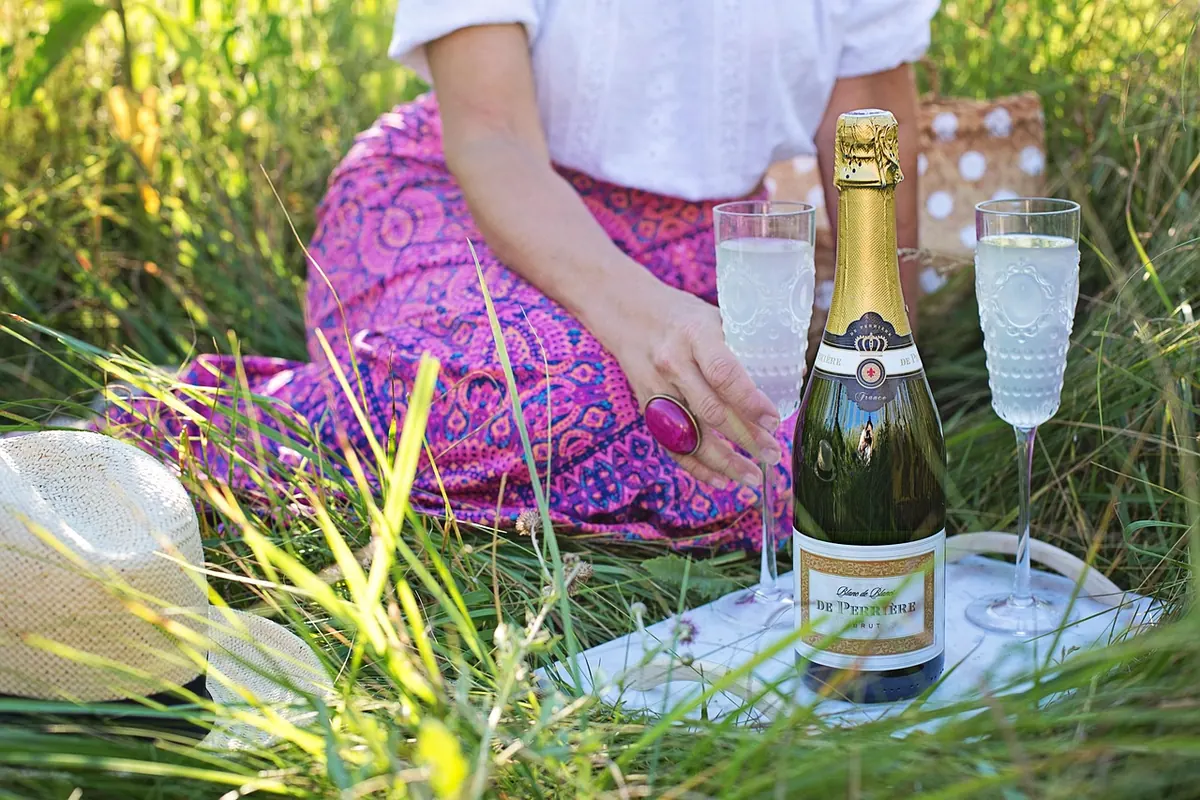
British rosé drinking has grown up. The days when pink wine meant a sweet, faintly fizzy bottle served so cold it tasted of very little are largely behind us, and the shelves now carry everything from whisper-pale Provençal bottles to deep, herbal rosés from Abruzzo and the Rhône. What many of us still lack is a plan: which style to open in April, which to put on ice in July, and which to carry into October when the cooking gets heavier.
Rosé is not one wine. It is a colour that spans grape varieties, regions, sweetness levels and prices, and matching it to the season makes the difference between a pleasant glass and one you remember.
Spring: pale, crisp and picnic-ready
Spring food is green and delicate — asparagus, radishes with butter, young goat's cheese, quiche, smoked salmon, the first strawberries. This is the season for the palest rosés you can find: Provence and its neighbours, such as Coteaux d'Aix-en-Provence, plus Sancerre rosé and other Loire pinks made from Pinot Noir.
These wines are usually made by pressing grapes gently and letting the juice spend only a few hours with the skins, which is why they look like pale onion skin. Expect redcurrant, pink grapefruit, white peach and a saline finish rather than anything sweet. Alcohol is often modest, which matters if you are eating outdoors at three in the afternoon.
Serving tips for a spring picnic
- Chill to around 8–10°C: an hour in the fridge, or twenty minutes in a bucket of ice and water.
- Use a proper glass. A stemmed white wine glass flatters pale rosé far more than a tumbler.
- Pack a cool bag with a freezer block. Warm rosé tastes flabby and dull.
- Skip the strawberries-and-rosé cliché when the wine is bone dry. Goat's cheese, cured ham or a buttered radish works harder.
Summer: rosé built for the barbecue
Once the grill comes out, pale and delicate stops being enough. Smoke, char, oil and salt need a rosé with more colour, more fruit and a touch more grip. Look for Tavel from the southern Rhône, Bandol from the Provence coast, Spanish rosado — Navarra and Rioja in particular — and Cerasuolo d'Abruzzo, made from Montepulciano and poured a deep cherry pink.
New World rosés are worth seeking out too: Grenache from Australia, old-vine Cinsault from South Africa, and Chilean bottlings. They tend to be fruitier and rounder, which suits sticky marinades and grilled vegetables.
What to put on the table
Grilled prawns, merguez, halloumi, lamb burgers, chargrilled courgette and aubergine, tomato salads with more olive oil than strictly necessary. A fuller rosé handles all of it, and it flatters food that white wine often struggles with — harissa, smoked paprika, plenty of garlic.
Buy magnums if you are feeding a crowd; they look generous and stay cool longer. For informal parties, a dry Provençal rosé poured over ice in a jug with a few slices of orange is perfectly respectable, provided the wine itself is dry.
Temperature and equipment
Fifteen to twenty minutes in a bucket of ice and water will do more for a warm bottle than half an hour in the fridge. Aim for 10–12°C for deeper styles and 8–9°C for pale ones. Serve too cold and you lose the fruit; too warm and the alcohol shows.
Autumn: texture, spice and slower cooking
As the evenings cool, the food becomes roasted, earthy and spiced: squash, mushrooms, roast chicken, charcuterie, lamb tagine, baked aubergine. Lighter rosés disappear against that. Choose wines with more weight and, occasionally, a little oak.
Traditional barrel-fermented Rioja rosado, Bandol with a couple of years in bottle, Cerasuolo d'Abruzzo and Cabernet d'Anjou — off-dry and very good with anything lightly gingered — all come into their own now. Most rosé is best within a year or two of bottling, but these are the exceptions: Tavel, Bandol and Cerasuolo can improve for several years, taking on a savoury, almost red-wine character.
Decanting is unnecessary. A wide glass and ten minutes in a warm kitchen is enough, and the bottle can come out of the fridge half an hour before you eat.
How to choose a bottle without guessing
The label tells you more than the shade of pink. A quick check:
- Grape and region. Grenache and Cinsault blends from southern France tend to be pale and fresh; Mourvèdre suggests structure; Montepulciano and Garnacha mean colour and fruit.
- Colour. Pale is a style, not a quality mark. Depth comes from skin contact time and grape variety.
- Vintage. For most pinks, buy the youngest bottle on the shelf. Older examples may have lost their zip, though the ageworthy names above are the exceptions.
- Sweetness. If the label says blush, White Zinfandel or Cabernet d'Anjou, expect noticeable sweetness. Dry styles usually name a region known for them.
- Alcohol. Around 12–13% is typical. A lower figure often signals a lighter, more picnic-friendly wine.
A practical seasonal shelf
Keep three bottles in rotation: one pale and dry for warm afternoons and light food; one deeper, herbal rosé for grilled and spiced dishes; and one you are happy to open without a plan. Store them out of direct sun and away from the radiator, and drink them young — a rosé forgotten at the back of a cupboard until the following summer is rarely the wine you remember.
If you are buying for a specific event, buy six of one style rather than one of six. Rosé shows best when it is chilled properly and poured freely, and a single style matched to the food beats a mixed bag every time.
One last note: sunshine and wine go together easily, so pace yourself with water and something to eat, and follow current UK guidance if you are unsure what sensible drinking looks like for you.
Photo: JillWellington / Pixabay