The quickest way to improve a bottle of white wine costs nothing at all. It isn't a new glass, a decanter or a clever gadget. It's getting the temperature right. Serve a Chablis straight from a fridge running at 4°C and the fruit vanishes behind a wall of cold. Leave the same bottle on a sunny kitchen windowsill and it turns flabby and hot. Somewhere between those two extremes sits the sweet spot, and it moves depending on what's in the bottle. Here's how to find it at home, without a cellar or a thermometer you have to insure.
Cold mutes, warmth amplifies
Temperature changes what you actually taste. Chill a wine hard and you suppress the aromatic compounds that carry its perfume, while acidity seems to sharpen and the fruit goes quiet. That's why a cheap, thin white can taste almost refreshing when it's icy: the cold is doing the work the wine can't.
Warm it up and the opposite happens. Aromas lift, texture fills out, and flavours become more generous. Push too far, though, and alcohol starts to dominate, the wine feels loose and shapeless, and any bitterness at the finish becomes obvious. Most white wines are served too cold in British homes, but plenty are also served too warm once they've been sitting on a table for an hour. The trick is treating temperature as part of the serving, not an afterthought.
The three temperature bands
Forget precise numbers for a moment and think in bands. Almost every dry white fits into one of three, and if you learn the shape of each, you can guess well without checking anything.
- Crisp and lean — 6 to 8°C. Muscadet, Picpoul de Pinet, Albariño, Chablis, most Sauvignon Blanc, English still whites. These are built on acidity and freshness, and a proper chill keeps them taut rather than thin.
- Aromatic — 8 to 10°C. Riesling, Grüner Veltliner, Gewürztraminer, Viognier, Pinot Gris, Torrontés. Serve these too cold and you lose the whole point of them: the scent. A couple of degrees warmer than a Sauvignon makes a real difference.
- Oaked and full-bodied — 10 to 12°C. Oaked Chardonnay, white Burgundy, white Rioja, white Rhône blends, older Chenin Blanc. Oak and bottle age need warmth to show their texture; served at 6°C they taste hollow and woody.
Two smaller groups sit alongside those bands. Sparkling wine is best at 6 to 8°C — cold enough to keep the mousse lively, warm enough that you can taste the base wine. Sweet wines such as Sauternes, Tokaji or icewine work at 6 to 8°C too, because sugar needs a chill to stay balanced. Skin-contact whites behave more like light reds; 10 to 12°C suits them.
If you remember nothing else, remember this: when in doubt, err warmer for anything oaked, aged or expensive, and colder for anything simple, fruity and cheap.
What your fridge is actually doing
A typical UK fridge runs somewhere between 3°C and 5°C. That's colder than the serving temperature of nearly every white wine you own. So a bottle taken straight from the shelf is almost always too cold, and it needs a few minutes out of the fridge before it shows anything interesting.
As a rough rule of thumb, twenty minutes on the worktop takes the sting out of a fridge-cold bottle. Going the other way, a bottle kept at room temperature needs roughly thirty to forty minutes in the fridge to come down to serving temperature. Neither is exact — a warm kitchen in July, a thin bottle, a full fridge and a half-empty one all change the maths — but they're close enough to work with.
One thing worth knowing: your fridge is a fine place to chill wine and a poor place to store it. Long spells in there, especially near strong-smelling food, can dull a wine and dry out a natural cork. Treat it as a staging post, not a cellar.
Fast chilling and gentle warming
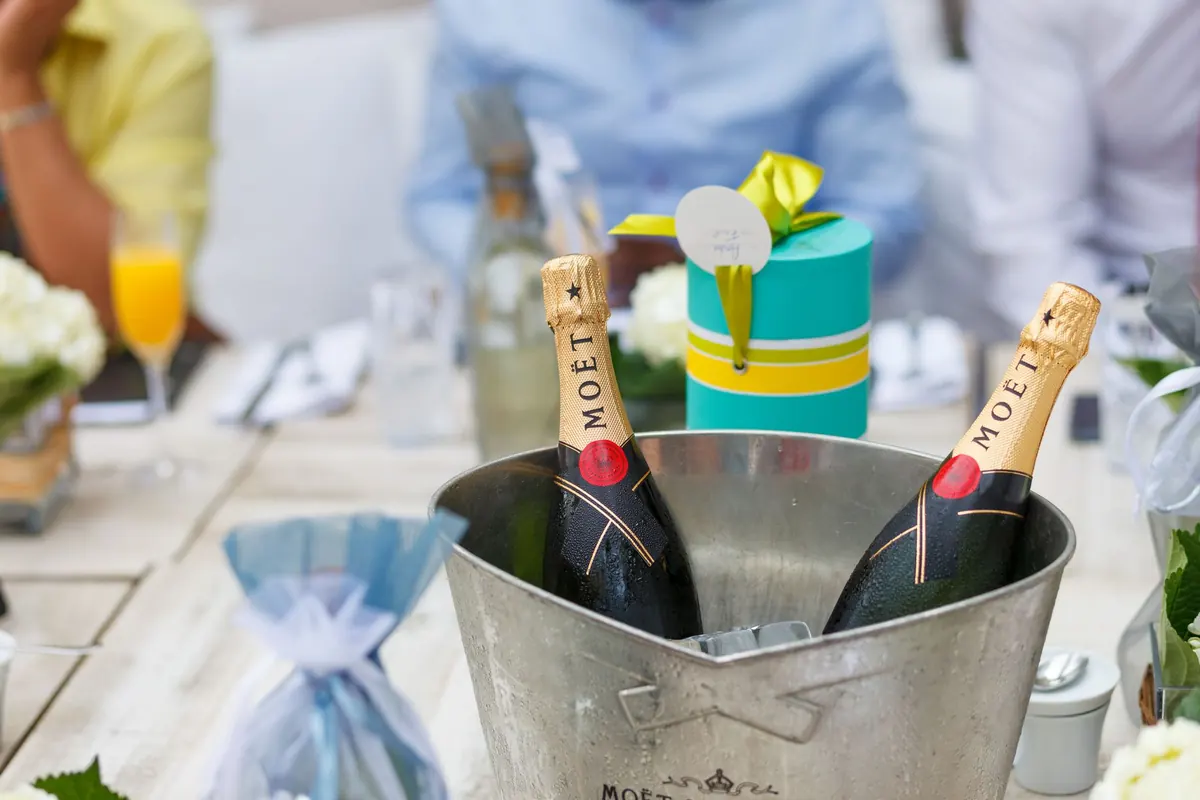
When you need to move quickly, an ice bucket beats everything else — but only if you do it properly. Fill it with ice and cold water, add a handful of salt, and sink the bottle in so the liquid covers as much of it as possible. Water conducts heat away from glass far better than air, and ice alone means the bottle sits in a cold draught rather than a cold bath. Ten to fifteen minutes usually does it.
The freezer works in a pinch, but set a timer for fifteen minutes and don't wander off. A forgotten bottle can freeze, push the cork, and crack under pressure — and sparkling bottles are the ones to be most careful with. Never use hot water or a microwave to warm a wine; you'll damage it rather than improve it.
For gentle warming, cup the bowl of the glass in your hands, run the bottle briefly under lukewarm tap water, or pour an oaked white into a jug and let it breathe for ten minutes. Fuller whites often open up noticeably with that bit of air.
Glassware, pours and the last two degrees
What you pour into matters more than you'd think. A glass with a slight taper — narrower at the rim than the bowl — concentrates aromas and suits aromatic whites beautifully. Wider, tulip-shaped glasses flatter oak and age. Fill any glass about a third full: more surface area means more aroma, and it stops the wine warming too quickly in your hand.
Hold the glass by the stem rather than the bowl, keep the bottle out of direct sun, and use a sleeve or a folded tea towel on the table outdoors. If you're serving in a garden in August, start everything a degree or two colder than target, because it will climb quickly. And if you want certainty rather than guesswork, a cheap clip-on bottle thermometer is the only piece of kit worth buying.
A routine you can repeat
- Decide which band your wine belongs to before you open it.
- Take a fridge-cold bottle out twenty minutes ahead, or put a room-temperature one in for half an hour.
- Taste at target. Sharp and mute means it's still too cold; loose and hot means it needs ten minutes in an ice bath.
- Pour a third of a glass, hold it by the stem, and keep the bottle shaded.
- Keep tasting as you go. The last glass of a bottle left on the table will be warmer than the first, and with a good white that final pour is often the most expressive of the lot.
None of this requires equipment or training, just a little attention. Get the temperature right and you'll find you're drinking the wine you actually paid for — and that a modest bottle, served well, can be far more enjoyable than a smart one served badly.
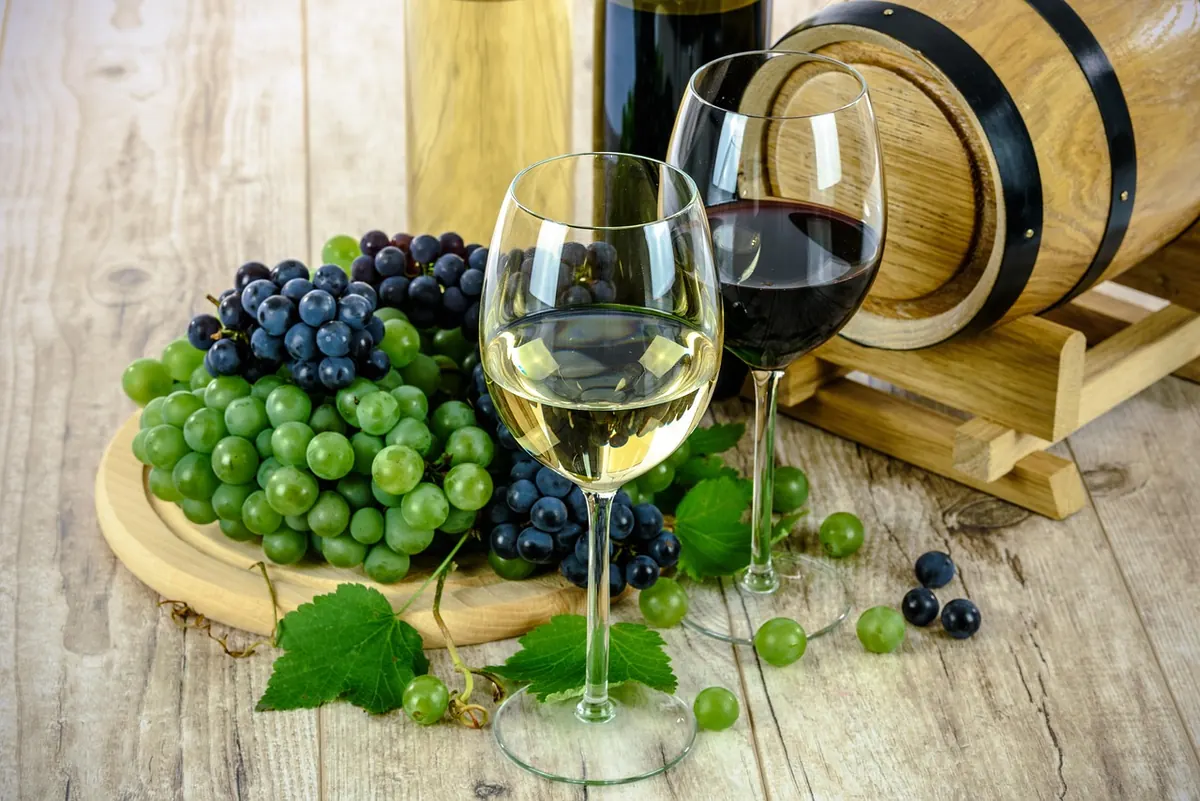
Photo: AS_Photography / Pixabay