Walk into any wine shop and the same four names appear again and again: Cabernet Sauvignon, Merlot, Pinot Noir and Syrah. Between them they cover a huge share of the red wine on British shelves, from own-label bottles to serious classics. Learn to recognise them and the aisle stops feeling like an exam you did not revise for.
You do not need to memorise regions, vintages or scores to get started. You need a rough idea of what each grape tastes like, how heavy it feels in the mouth, and what food it gets on with. That is what follows.
Why the grape matters more than you think
The grape gives a wine its skeleton. Cabernet Sauvignon tends to bring firm, drying tannin and black fruit. Pinot Noir brings pale colour, high acidity and a lighter frame. That skeleton survives whatever the winemaker does next, which is why a Cabernet from Chile and a Cabernet from Bordeaux feel like relatives even when they sound nothing alike.
Region and weather change the details. A Pinot Noir grown somewhere hot tastes riper and rounder than one from a cool hillside. Treat the notes below as a reliable map, not a rulebook.
When you taste, ask yourself four things:
- Colour: pale and see-through, or deep and opaque?
- Fruit: red fruits such as cherry and raspberry, or black fruits such as blackcurrant and blackberry?
- Texture: silky and soft, or grippy and drying on the gums?
- Everything else: pepper, herbs, cedar, smoke, leather, mushrooms?
On temperature: full-bodied reds show best around 16–18°C, while lighter reds such as Pinot Noir are happier at 12–14°C. If a bottle has been sitting in a warm kitchen, fifteen minutes in the fridge will do more for it than any amount of swirling.
Cabernet Sauvignon: the structured one
Think blackcurrant, black cherry and cedar, with a green pepper or minty edge in cooler years. The tannin is the point: it grips your gums and leaves the mouth feeling dry. Oak ageing adds vanilla, coffee or cigar-box notes, and good bottles soften and grow more savoury with time.
It is the backbone of left-bank Bordeaux, where it is usually blended with Merlot, and it thrives in Chile, California and Australia's Coonawarra. Serve it with roast lamb, beef, hard cheeses, or a lentil and aubergine bake. If the bottle is young and chewy, pour it into a jug half an hour before eating.
Merlot: the generous one
Plum, blackberry and a hint of chocolate, sometimes bay leaf or tobacco. The tannin is softer and rounder than Cabernet's, and the fruit feels plusher, which makes Merlot an easy glass to like. It is the dominant grape in right-bank Bordeaux and does well in Chile, Washington and north-east Italy.
Pair it with roast chicken, sausages and mash, tomato-based pasta, or anything involving mushrooms. It is often the better value of the two on a weekday, though very cheap examples can taste thin and hollow — a step up in price usually pays off here.
Pinot Noir: the delicate one
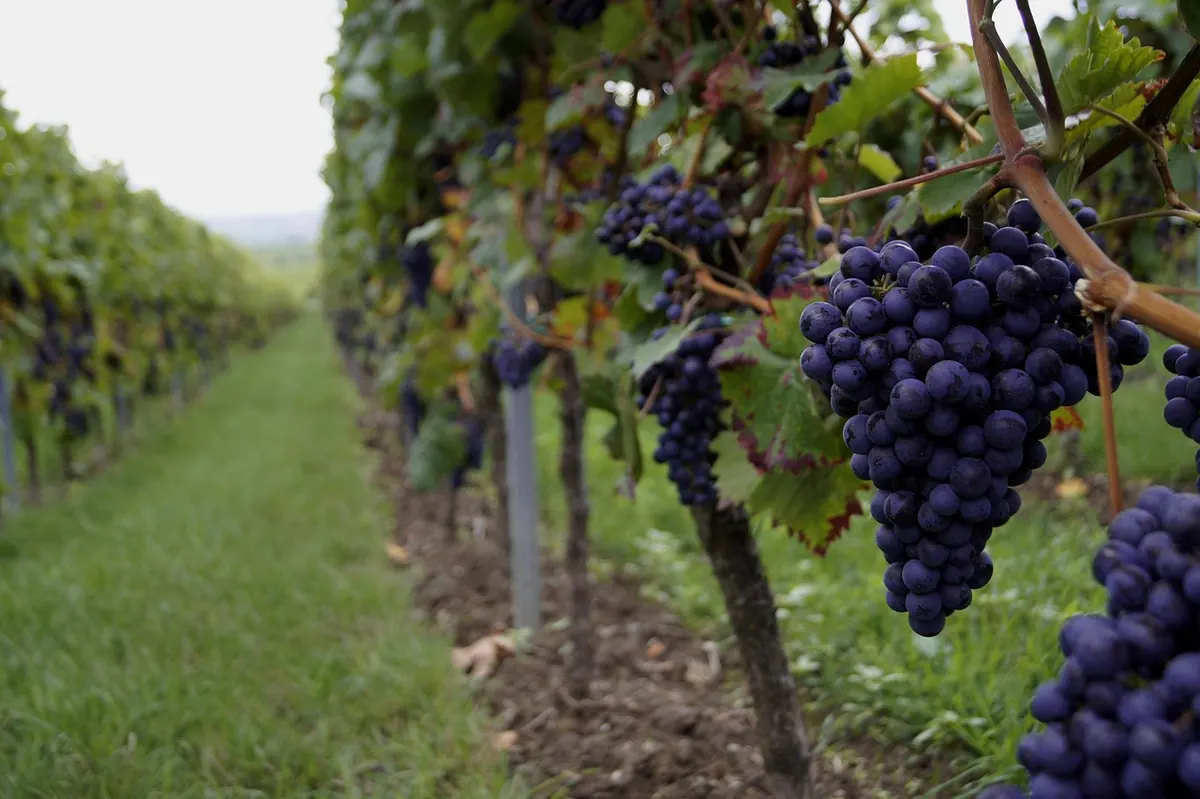
Pale ruby in the glass, with red cherry, raspberry and rose petal, and — in older bottles — forest floor, mushroom and leather. Acidity is high, tannin is low, and the whole wine feels lighter and more fragrant than the others. It is also the fussiest grape to grow, which is why decent bottles rarely come cheap.
Look to Burgundy, Oregon, New Zealand and Germany. Food-wise it is unusually flexible: duck, salmon, mushroom risotto, charcuterie, roast chicken with tarragon. Serve it slightly cool and give it a wide-bowled glass, because the aromas need room to gather.
A quick word on Burgundy
Burgundy labels name villages and vineyards rather than the grape, so a bottle marked Gevrey-Chambertin or Volnay is Pinot Noir, and one marked Mercurey or Santenay almost certainly is too. If you are unsure, the back label usually settles it.
Syrah (Shiraz): the dark, peppery one
Blackberry, blueberry, black pepper, violet, smoke and occasionally bacon fat or olive. Cooler regions such as the northern Rhône give a leaner, peppery, savoury style; warmer ones such as the Barossa Valley give a riper, fuller wine that can taste of dark chocolate. Same grape, two accents — the name on the label often hints which you are getting.
This is the red to open with a barbecue or a slow-roast shoulder of lamb with rosemary. It stands up to spiced sausages, chilli and strong hard cheese, and it handles charred, smoky flavours better than most.
Taste all four side by side
Reading about wine only gets you so far. A single evening with four bottles will teach you more than a month of browsing.
- Buy four bottles at a similar price, so you are comparing grapes rather than budgets.
- Use the same shape of glass for each, and rinse it with water between pours.
- Taste in order of weight: Pinot Noir, Merlot, Cabernet Sauvignon, Syrah.
- For each wine, write down one fruit word and one texture word. Two words is plenty.
- Then eat something plain — a slice of roast meat, a piece of cheese — and try each wine again. Notice how the tannin softens and the fruit changes.
- Keep the notes somewhere you will find them again.
The wine you enjoy with your dinner will always beat the wine you feel you ought to like.
Starting your own little collection
Buy a mixed case, or four single bottles, rather than six of one thing. Try the same grape from two different countries and see which you prefer. Expect to pay a little more for Pinot Noir than for Merlot, and be sceptical of very heavy bottles — weight of glass tells you nothing about what is inside.
Food first, scores second. A modest bottle poured with the right dish will usually please more than an expensive one drunk on its own. And if you are unsure whether alcohol is suitable for you — because of medication, a health condition or pregnancy — ask your GP or pharmacist rather than a wine column.
Start with one grape you already like, then buy one bottle of it from somewhere unexpected. That single habit will teach you more about wine than any list of tasting notes.
Photo: IlonaBurschl / Pixabay